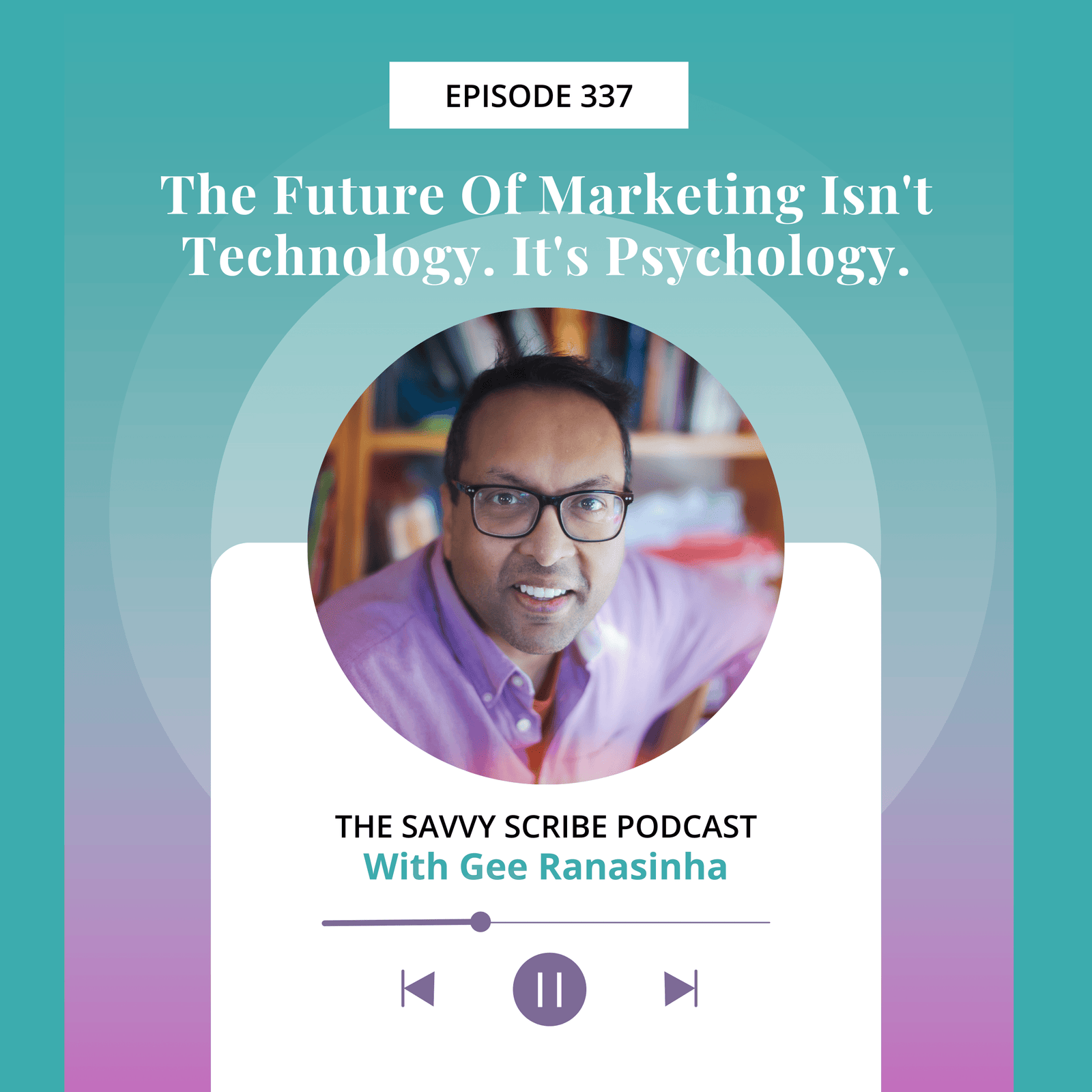
In this episode, we sit down with marketing strategist Gee Ranasinha to explore what the future of marketing really looks like — and why many businesses are getting it wrong.
Despite the rise of AI and automation tools, marketing’s core hasn’t changed: it’s still about understanding human behavior. Gee breaks down the power of behavioral science, emotional triggers, and brand distinctiveness to explain how businesses can create marketing that sticks.
If you’ve ever felt overwhelmed by marketing technology or struggled to stand out in a crowded market, this conversation will challenge your assumptions and give you a fresh perspective.
About Gee Ranasinha
Gee Ranasinha has been in marketing since the days of dial-up internet and AOL CDs. Today, he’s the CEO of KEXINO, a marketing agency and behavioral science practice for small to medium-sized businesses.Over the past 18 years KEXINO has helped over 400 startups and small businesses in around 20 countries grow awareness, reputation, trust – and sales. A Fellow of the Chartered Institute Of Marketing, Gee is also Visiting Clinical Professor at two business schools, teaching Marketing and Behavioral Science to final-year MBA students for more than a decade. He’s also an acclaimed international speaker, presenting at conferences and events throughout the US and Europe.Outside of work Gee loves to cook, listens to music on a ridiculously expensive hi-fi, and plays jazz piano very badly.
Why is Psychology the Future Of Marketing
Behavioral Science and Buyer Psychology
Marketing should be grounded in how customers actually make decisions, not how we think they do.
Understanding emotion, context, and behavioral triggers is critical to long-term brand recall.
What Went Wrong with Modern Marketing
Many marketers have forgotten the emotional roots of their craft.
Over-reliance on tech tools and performance metrics has led to generic, forgettable messaging.
Why Emotion Is the Foundation of Memorable Marketing
Emotional content creates strong memory structures.
People buy emotionally, then justify with logic — even in B2B environments.
The Real Drivers of B2B Decision-Making
B2B purchases are driven by risk aversion more than performance or features.
Buyers tend to choose safe, familiar brands that won’t damage their professional credibility.
Brand Positioning that Actually Works
- Who are we?
- What problem do we solve?
- Who do we solve it for?
- Why does it matter?
What Most Businesses Get Wrong About AI and Tools
Tech doesn’t solve strategy problems.
Businesses need to listen to their customers before building out websites, ads, or funnels.
Why Standing Out Matters More Than Ever
Playing it safe and blending in is riskier than standing out.
Bold, emotionally resonant messaging builds brand equity and pricing power.
Actionable Takeaways:
Talk to your customers every week — their language and feedback are your marketing gold.
Don’t start with websites, tools, or ads. Start with positioning.
Build your marketing strategy around emotional connection and perceived value.
Differentiate intentionally. Safe branding leads to forgettable outcomes.
Consider marketing a core business function — not just a set of promotional tactics.
Connect with Gee!
Connect with Gee Ranasinha on LinkedIn — just search Gee Ranasinha. He posts short, insightful videos twice a week on branding, positioning, and customer psychology.
You can also find him on other platforms:
Listen to More Marketing Tips in Our Past Episodes: